

Baltic and Polish Medicines Agencies Meeting Focuses on Cooperation, Access to Medicines and Changes in the Pharmaceutical Sector
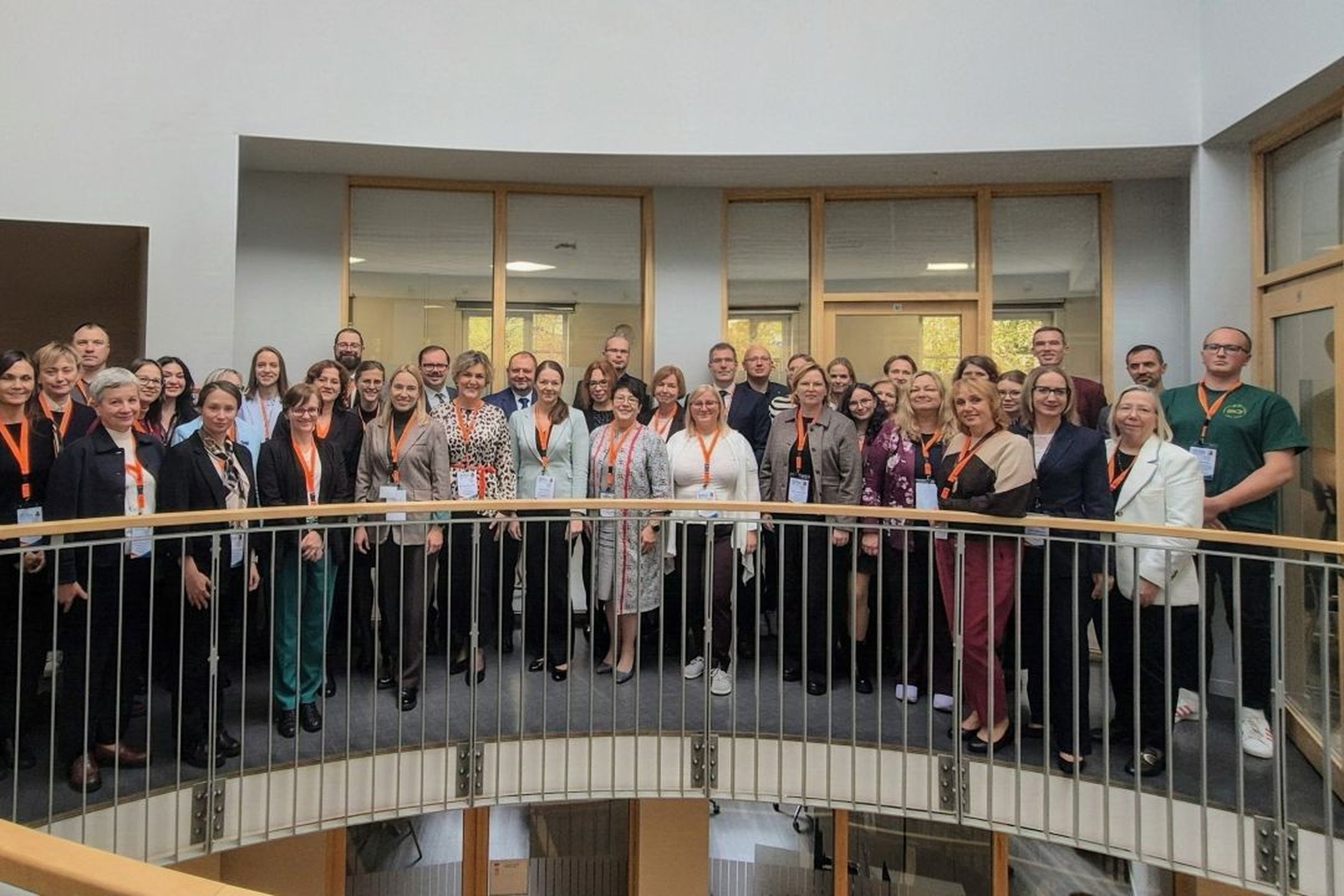
The traditional 2026 meeting of representatives of the Baltic and Polish Medicines Agencies (Baltic and Polish Medicines Agencies Meeting 2026) took place in Riga. Specialists from Lithuania, Latvia, Estonia and Poland discussed the most pressing issues in medicines regulation, changes to European Union (EU) pharmaceutical legislation, ensuring access to medicines and opportunities for further institutional cooperation.
This year’s meeting, hosted by the Latvian State Agency of Medicines, focused extensively on developments in the EU pharmaceutical sector and their implementation at national level. Participants discussed preparations for the new EU pharmaceutical legislation, potential challenges for national competent authorities and the need to strengthen regional cooperation. One of the key topics was access to medicines and preparedness for potential supply crises. Discussions covered measures for monitoring the availability of medicines, the preparedness of authorities to respond to medicine supply disruptions and the importance of information exchange.
Opportunities to align the Baltic States’ approaches to medicines pricing regulation, taking into account the specific characteristics of small markets, were also discussed. Particular attention was given to the electronic Product Information (ePI) project and its implementation progress in the Baltic States. Representatives of the Estonian State Agency of Medicines presented the progress of the project, while participants shared their experiences and discussed further steps in the development of electronic product information. The electronic package leaflet initiative is an important part of the broader digitalisation of the pharmaceutical sector. It aims to make up-to-date information on medicines more easily accessible to patients and healthcare professionals, ensure more efficient updates and contribute to more effective management of medicines information.
During thematic sessions, specialists explored various areas of medicines regulation, ranging from national marketing authorisation procedures and pharmacovigilance to Good Manufacturing Practice (GMP) inspections, laboratory activities and health technology assessment. Pharmacovigilance specialists discussed challenges in reporting adverse drug reactions, safety signal assessment, the use of national databases, and the responsibilities of parallel importers and distributors of medicines. Specialists responsible for the supervision of medicines manufacturing and distribution shared their experience in preparing for new regulatory requirements, cooperation between authorities and the control of falsified medicinal products distributed on the illegal market. Supervision challenges related to borderline products and illegal trade were also discussed. Representatives of Official Medicines Control Laboratories (OMCLs) addressed issues related to laboratory testing, quality control and cooperation between authorities, with particular emphasis on sharing experience in laboratory testing and identifying opportunities to organise medicines quality control more effectively.
The meeting also explored opportunities to strengthen cooperation between the Baltic States in the field of clinical trials, enhance the region’s attractiveness for clinical research and make more efficient use of the resources available to the authorities. Health technology assessment specialists discussed participation in joint EU assessment procedures, practical cooperation and challenges related to access to medicines in smaller markets.
The Baltic and Polish Medicines Agencies Meeting is an important platform for exchanging professional experience, identifying common solutions and strengthening cooperation between institutions. Such meetings help authorities better prepare for changing requirements in the European pharmaceutical sector, address shared regulatory challenges more effectively and pursue the overarching objective of ensuring that people have access to safe, high-quality, effective and affordable medicines.
Last updated: 19-11-2026
Related news:
The Latvian State Agency of Medicines Celebrates Its 30th Anniversary
Twin Project Partners in Warsaw Discuss Project Progress and Next Steps
Information on Connectivity Issues with the European Union’s Regulatory Information Systems
Twin Project Partners in Ukraine Meet in Warsaw to Discuss Project Progress and Next Steps